



Sale!
Original price was: $87.00.$43.50Current price is: $43.50.
Sale!
Original price was: $75.00.$37.50Current price is: $37.50.
Sale!
Original price was: $75.00.$37.50Current price is: $37.50.
Sale!
Original price was: $75.00.$37.50Current price is: $37.50.
Sale!
Original price was: $75.00.$37.50Current price is: $37.50.
Sale!
WOMEN
Original price was: $84.00.$42.00Current price is: $42.00.
Sale!
WOMEN
Original price was: $100.00.$50.00Current price is: $50.00.
Sale!
WOMEN
Original price was: $100.00.$50.00Current price is: $50.00.
Sale!
Original price was: $110.00.$55.00Current price is: $55.00.
Sale!
Original price was: $110.00.$55.00Current price is: $55.00.
Sale!
Original price was: $110.00.$55.00Current price is: $55.00.
Sale!
Original price was: $110.00.$55.00Current price is: $55.00.
Sale!
Original price was: $110.00.$55.00Current price is: $55.00.
Sale!
Original price was: $140.00.$70.00Current price is: $70.00.
Sale!
Original price was: $140.00.$70.00Current price is: $70.00.
Sale!
Original price was: $140.00.$70.00Current price is: $70.00.
Sale!
Original price was: $160.00.$80.00Current price is: $80.00.
Sale!
Original price was: $140.00.$70.00Current price is: $70.00.
Sale!
Original price was: $140.00.$70.00Current price is: $70.00.
Sale!
Original price was: $135.00.$67.50Current price is: $67.50.
Sale!
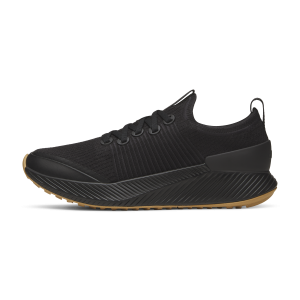
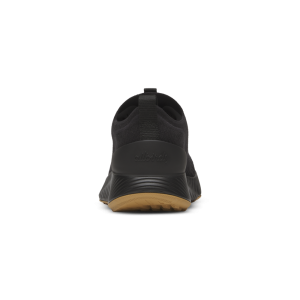
Original price was: $135.00.$67.50Current price is: $67.50.
Sale!
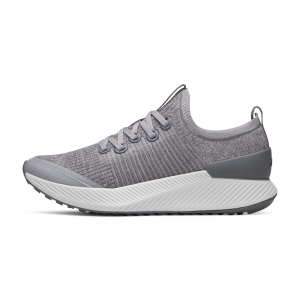
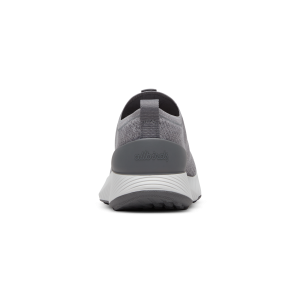
Original price was: $135.00.$67.50Current price is: $67.50.
Sale!
Original price was: $135.00.$67.50Current price is: $67.50.
Sale!
Original price was: $135.00.$67.50Current price is: $67.50.
Sale!
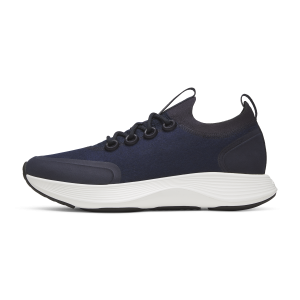
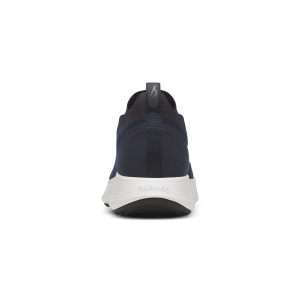
WOMEN
Original price was: $125.00.$62.50Current price is: $62.50.
Sale!
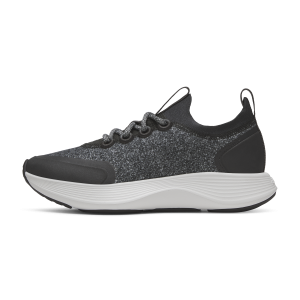
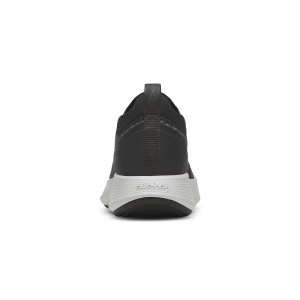
WOMEN
Original price was: $125.00.$62.50Current price is: $62.50.
Sale!
WOMEN
Original price was: $125.00.$62.50Current price is: $62.50.
Sale!
WOMEN
Original price was: $110.00.$55.00Current price is: $55.00.
Sale!
WOMEN
Original price was: $110.00.$55.00Current price is: $55.00.
Sale!
WOMEN
Original price was: $110.00.$55.00Current price is: $55.00.
Sale!
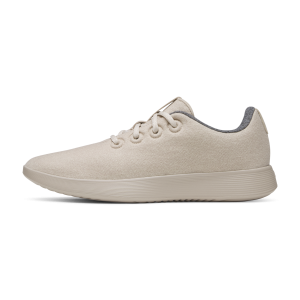
WOMEN
Original price was: $110.00.$55.00Current price is: $55.00.
Sale!
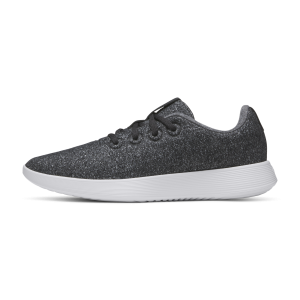
WOMEN
Original price was: $110.00.$55.00Current price is: $55.00.
The Foundation of Movement – Footwear, Function, and Form
Footwear is arguably the most ubiquitous and historically significant accessory, transcending simple aesthetics to become a foundational element of human locomotion and daily life. The design and construction of shoes have always been a direct reflection of necessity, climate, and terrain, yet over centuries, they have evolved into complex instruments that blend sophisticated engineering with cultural expression. The story of any piece of footwear begins with its intended function, dictating everything from material choice to the sole’s geometry.
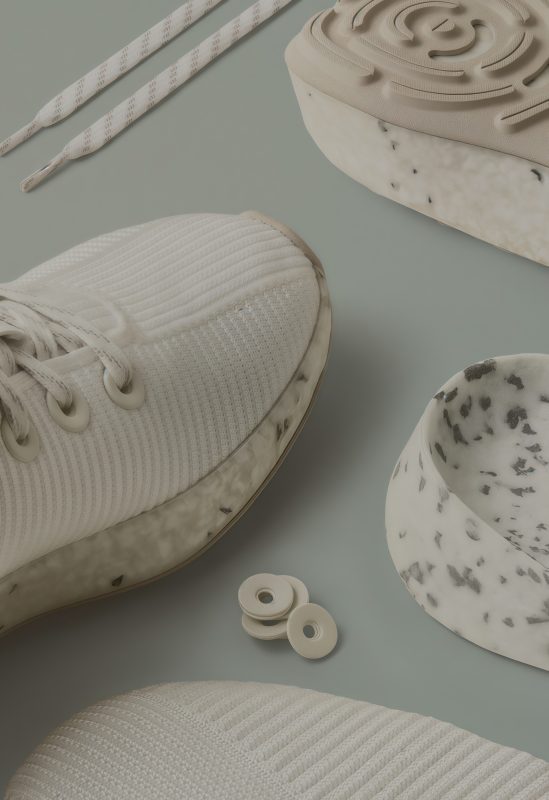
For activities involving intense physical exertion, the principles of biomechanics are paramount. Modern athletic designs are marvels of material science, where every component is engineered to manage kinetic energy. The sole unit, in particular, is a sophisticated assembly of multi-density foams, internal plates, and air or gel cushioning systems, all working synergistically to absorb impact and return energy for forward propulsion. The upper part of the shoe, meanwhile, utilizes advanced knitting and weaving techniques to create structures that are both incredibly lightweight and supportive, conforming to the foot’s natural movement while preventing unwanted slippage. This continuous cycle of innovation is driven by the quest for improved performance, translating abstract physics into tangible benefits for the wearer.
Beyond the realm of sport, the protective function of certain footwear designs highlights their role in various occupations. Work shoes, for instance, are constructed with reinforced materials to guard against punctures, compression, and electrical hazards. These items are built for durability and safety first, often featuring specialized treads for enhanced grip on challenging surfaces. The sheer volume of material and the robust stitching in these items speak to a primary concern for enduring harsh environments.
Yet, even the most performance-oriented or protective design must eventually confront the demands of form and comfort. An uncomfortable piece of footwear, no matter how technically advanced, will fail its purpose. This is where the artistry of the shoemaker emerges. The internal last—the mold around which the shoe is built—determines its fit and shape. The subtle variations in toe box width, arch support, and heel elevation are critical to accommodating the vast diversity of human foot shapes. From the minimalist design that promotes natural foot movement to the highly cushioned maximalist style, the final form is a negotiation between the foot’s anatomy and the environment it must navigate. Ultimately, a well-designed shoe is a masterpiece of applied science, providing a stable, protective, and responsive base for all human activity. The simple act of putting on a pair of shoes connects us to a lineage of invention, where the quest to move efficiently and comfortably has shaped material culture for millennia.